Georgia Hormones
  • Home
  • Our Practice
  • Dr. Robert P. Goldman
  • Donna Smyth, PA-C
  • Functional & Holistic Medicine
  • Women’s Hormone Health
  • Menopausal Health
  • Men’s Hormone Health
  • Case Studies
    • Abnormal Bleeding, Weight Gain
    • Aging, Mature Male
    • Early Menopause
    • Full Menopause
    • Underactive Thyroid
    • Young Male, Fatigued Adrenals
    • Teenage Acne, Irregular Cycles
  • Resources for Patients
    • Articles
    • Books
    • Videos
    • Compounding Pharmacies List
  • Testimonials
  • For Medical Professionals
  • FAQ
  • Forms
  • Blog
  • Location/Directions
  • Contact Us
404.814.9808 • fax: 404.814.6086 • [email protected]

Why Should I Take Vitamins?

3/25/2016

0 Comments


​Men and women should take supplemental vitamins and minerals — here are two main reasons why:
Picture

Problem 1:
Most available modern fruits and vegetables are nutrient poor. In the 1920s the science of nutrition was getting started and scientists analyzed the vitamin and mineral content of many fruits and vegetables. About ten years ago, an updated survey examined the nutrient level in our current fruits and vegetables. The vitamin and mineral content had dropped by about two-thirds — revealing essential nutrients found in today's current food had become much lower.

 
Eighty years ago, most food was locally grown, picked when ripe and brought to local markets. Now, food is grown on large industrial farms, picked before becoming ripe and shipped long distances to markets around the world. Crops are chosen based on a longer shelf life, not for nutrients, quality or flavor. Our modern fruits and vegetables are large, uniform and look good but contain low levels of vitamins and minerals. High nutrient foods spoil faster and supermarkets do not want to sell food that can spoil quickly — unsold, spoiled food has to be thrown out.  

Problem 2: 

Modern life is much more sedentary than in the past. Household chores such as cleaning, cooking and hauling water used up a lot of energy. Farming, hunting, chopping wood, cultivating and harvesting crops, and managing farm animals were all labor intensive jobs — they burned loads of calories. Industrial jobs also required heavy labor.

Picture
Picture

Now, machines do most of the heavy lifting as water is piped in and waste water is piped out. In underdeveloped countries, carrying water (which is mostly done by women) uses up a great deal of calories. In the early 1800s, it is estimated that many people burned around 6,000 calories a day. Today, the average American burns between 1,600 to 2,500 calories daily (depending on their size and lifestyle). Even if a person ate mostly high nutrient fruits and vegetables, they simply could not eat 6,000 calories — today Americans only burn about one third of the calories consumed 200 years ago. 

When eating fast food, restaurant or processed food, the nutrient content becomes even smaller. Today it is almost impossible to consume enough food to fulfill the daily need for vitamins and minerals — and our bodies crave them. Lacking these essential nutrients drives people to eat excessively in an attempt to supply what is needed.

 
Take home message: 
Unless you eat way too much food, it is almost impossible for the body to receive all of the needed nutrients from today’s available foods. Everyone needs to add supplements.


See recommended guide about dietary supplements.

​
0 Comments

Magnesium — the Neglected Mineral

2/23/2016

0 Comments

 
Picture

Magnesium is very important to the body and an inexpensive nutrient to purchase. Its affordability may be a reason why conventional doctors don’t know much about it. No one makes enough money to go to the trouble of selling and promoting it to physicians. It is available without a prescription in local pharmacies, and comes in a number of forms and doses. 

Following potassium, magnesium is the second most abundant mineral in soft tissues. It is mostly contained in bone and inside the cells but found in lesser amounts in the blood. It is difficult to measure. The blood levels can be normal even if the tissue levels are too low. In nerve cells, magnesium reduces overactive nerves. Because of this, low magnesium can be a contributing factor to getting migraine headaches and muscle spasms. Many older folks with Restless Leg Syndrome are deficient in magnesium. Supplementing this common mineral is often effective in relieving the problem and is much less expensive than the Parkinson’s drugs that are commonly used for treatment. 

Magnesium is a cofactor for the proper action of over 300 different enzymes. It is needed for energy production, proper nerve health, heart health and it also inhibits platelet aggregation. Supplementing to better levels can help relieve migraines, mild high blood pressure, constipation, fibromyalgia, osteoporosis, restless legs, anxiety, panic attacks, kidney stones, fatigue and a host of other problems. 

A healthy daily intake ranges between 200 and 500 milligrams. That amount is too large to fit into a daily multivitamin and needs supplementation. Magnesium used to be abundant in most vegetables, but due to the common use of ammonia based fertilizer, magnesium has been washed out of the soil in much of the U.S. Refined grains and processed foods also lose the positive effects of magnesium, as does boiling vegetables in water. For these reasons, most Americans are low in magnesium and would benefit from taking supplements. 

Magnesium is both a sedative and a laxative so it is usually taken before bed. Too much magnesium can result in loose bowel movements — a sign that the dosage needs to be reduced. The inorganic forms, magnesium sulfate (milk of magnesia) and magnesium oxide tend to loosen the bowels more and are good choices to relieve constipation. Chelated magnesium, magnesium citrate and magnesium oxalate are less likely to cause loose bowel movements — they are well absorbed but slightly more expensive.
0 Comments

Don’t Overdo it When Taking Calcium Supplements

1/27/2016

3 Comments

 
Calcium Chews and Vitamin D
If you are supplementing calcium with Vitamin D (and have good blood levels of around 50 ng/ml), I suggest taking no more than 500 mg of calcium daily. The best natural sources of calcium are dark green vegetables — if a good amount are eaten, you might not need calcium supplements at all. High calcium foods include broccoli, cabbage, kale, spring mix salad and Brussels sprouts. Yes, dairy products contain calcium but they also contain a lot of phosphorus, which can interfere with building bone. Milk is good for babies but not good for adults. Think about it --mother cows don’t drink milk to get calcium; they always eat grass. Calcium is needed for bone and nervous system health, but taking too much can cause kidney stones. 

Here is why. 

Adults get little cracks in their bones that need to be repaired. Repairing the bone requires calcium, Vitamin D, protein, estrogen, progesterone (for women), testosterone and DHEA. To maintain strong bones, it requires the entire holistic package. On a daily basis, we don’t use up very much calcium. If we take in more calcium than we need, the kidneys will send the excess calcium into the urine. Again, too much calcium in the urine can lead to kidney stones. 


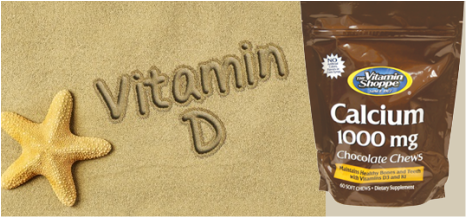
Chocolate calcium chews
Picture


There are companies who promote tasty chocolate calcium chews to middle aged and menopausal women. Some chews include Vitamin D (roughly 600 IU). Calcium comes from limestone and is cheap but Vitamin D is more expensive. I often recommend my patients to take 3,000 IU of Vitamin D daily and 500 mg (or less) of calcium. I would stay away from the chocolate candies. They contain an excess of calcium and not enough Vitamin D. Even if you had three to four chews, you will not reach the proper amount of Vitamin D and the chews will only produce higher levels of calcium. 

A few years ago, Dr. Mehmet Oz brought the low Vitamin D levels of older Americans into popular focus. Many elderly women were advised to take 2,000 mg of calcium daily for bone health, but since they did not have enough Vitamin D, the extra calcium was ineffective. The intestine cannot absorb calcium very well without having adequate levels of Vitamin D (no matter how much calcium is taken). When women finally started supplementing with Vitamin D, they were successful in absorbing the higher levels of calcium.

​I watched a urology doctor on television criticize Dr. Oz for pushing Vitamin D because kidney stone rates were going up in elderly women. The doctor was blaming the wrong problem. The extra Vitamin D is needed for many reasons. In addition to bone health, Vitamin D supports immune function, which protects against infections and cancer. The main issue was that women were taking too much calcium. 

Very important general rule -- there isn’t anything that you can’t have too little or too much of. For healthy bones, everyone needs the whole package of vitamins, hormones, nutrients and minerals but 
do not take too much of anything, including calcium.
3 Comments

    Robert P. Goldman, M.D.

    Dr. Robert P. Goldman provides guidance for female and male hormone balance, menopause management, holistic therapies and routine gynecological care.

    Archives

    September 2018
    August 2018
    July 2018
    June 2018
    May 2018
    April 2018
    February 2018
    December 2017
    November 2017
    October 2017
    September 2017
    August 2017
    July 2017
    May 2017
    February 2017
    September 2016
    August 2016
    July 2016
    April 2016
    March 2016
    February 2016
    January 2016
    December 2015
    November 2015
    October 2015

    Categories

    All
    Aging
    American Medicine
    Cancer
    Hair Loss
    Healthy Eating
    Menopausal Products
    Overdiagnosed
    Overtreated
    Testosterone
    Thyroid
    Vitamin Supplements

    RSS Feed

Home
Our Practice
Dr. Robert P. Goldman

Donna Smyth, PA-C
Functional Medicine
Women’s Hormone Health
Menopausal Health
Men’s Hormone Health

Case Studies
Testimonials
Resources for Patients

For Medical Professionals

FAQ
Forms
​Blog
Disclaimer
Privacy
Location/Directions

Contact Us
Sitemap

Copyright © 2022 Georgia Hormones, PC  •  All Rights Reserved
10220 Medlock Bridge Road  • Johns Creek, GA 30022
phone: 404.814.9808  •  fax: 404.814.6086  •  [email protected]